As he considered whether to block the platform in the Bay State, the judge in Kalshi’s lawsuit against Massachusetts looked at a previously disregarded section of the law that might influence whether contracts for sporting events qualify as “swaps” and wondered if federal preemption is a topic that can change over time.
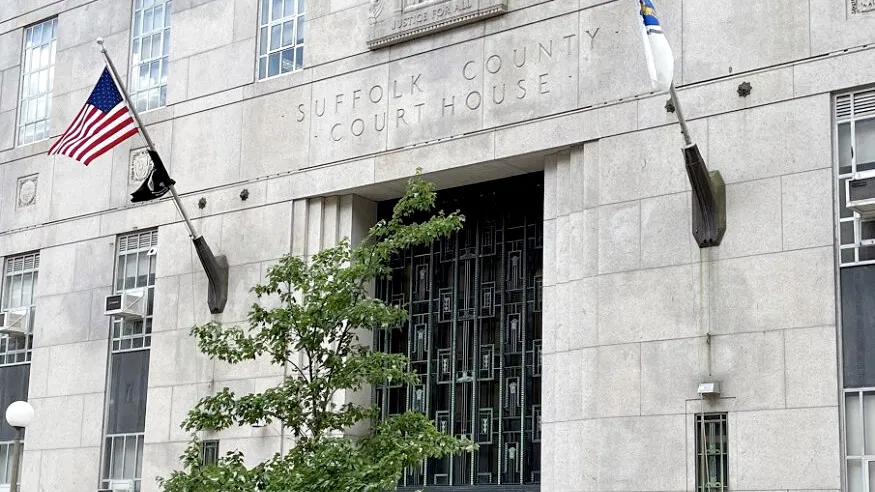
In a hearing on Tuesday, Suffolk County Superior Court Judge Christopher Barry-Smith heard arguments from the attorneys for Kalshi and Massachusetts over whether to issue an injunction that would prevent Kalshi from conducting business in the state.
The first state AG to file a lawsuit against the prediction market was Massachusetts Attorney General Andrea Joy Campbell, who sued Kalshi in state court in September. In other instances, Kalshi has filed federal lawsuits against states in response to cease-and-desist letters.
ALSO READ: The debate over First Nations gaming rights is revived by Canadian Senate Bill S-241.
The U.S. District Court for the District of Massachusetts decided that the state court still had jurisdiction and that the case should be tried there, despite Kalshi’s initial desire to have it heard in federal court.
In previous cases between Kalshi and governments, two issues have proven crucial. Preemption, or the question of when federal law takes precedence over state law, is the first. States have contended that while state laws pertaining to commodities exchanges may be superseded by the commodities Exchange Act (CEA), any preemption would not apply to sports betting legislation. A judge agreed with the state that sports betting regulations were not preempted in a dispute against Maryland.
Whether Kalshi’s sports contracts qualify as “swaps,” a kind of financial transaction typically used for hedging, is the second concern. Sports event contracts are not “associated with a potential financial, economic, or commercial consequence,” according to states, so they do not fit the criteria of a swap. States contend that if they weren’t swaps, preemption wouldn’t apply because they wouldn’t be covered by the CEA.
In Kalshi’s action against Nevada, a federal judge was persuaded by this rationale and stated that swaps could include a contract on whether a sporting event takes place but not on who wins.
Versions of those same problems were crucial to the case, even though this is the first of these lawsuits to be heard in state court as opposed to federal.
Courtesy: https://www.covers.com, https://www.casino.org, https://pechanga.net