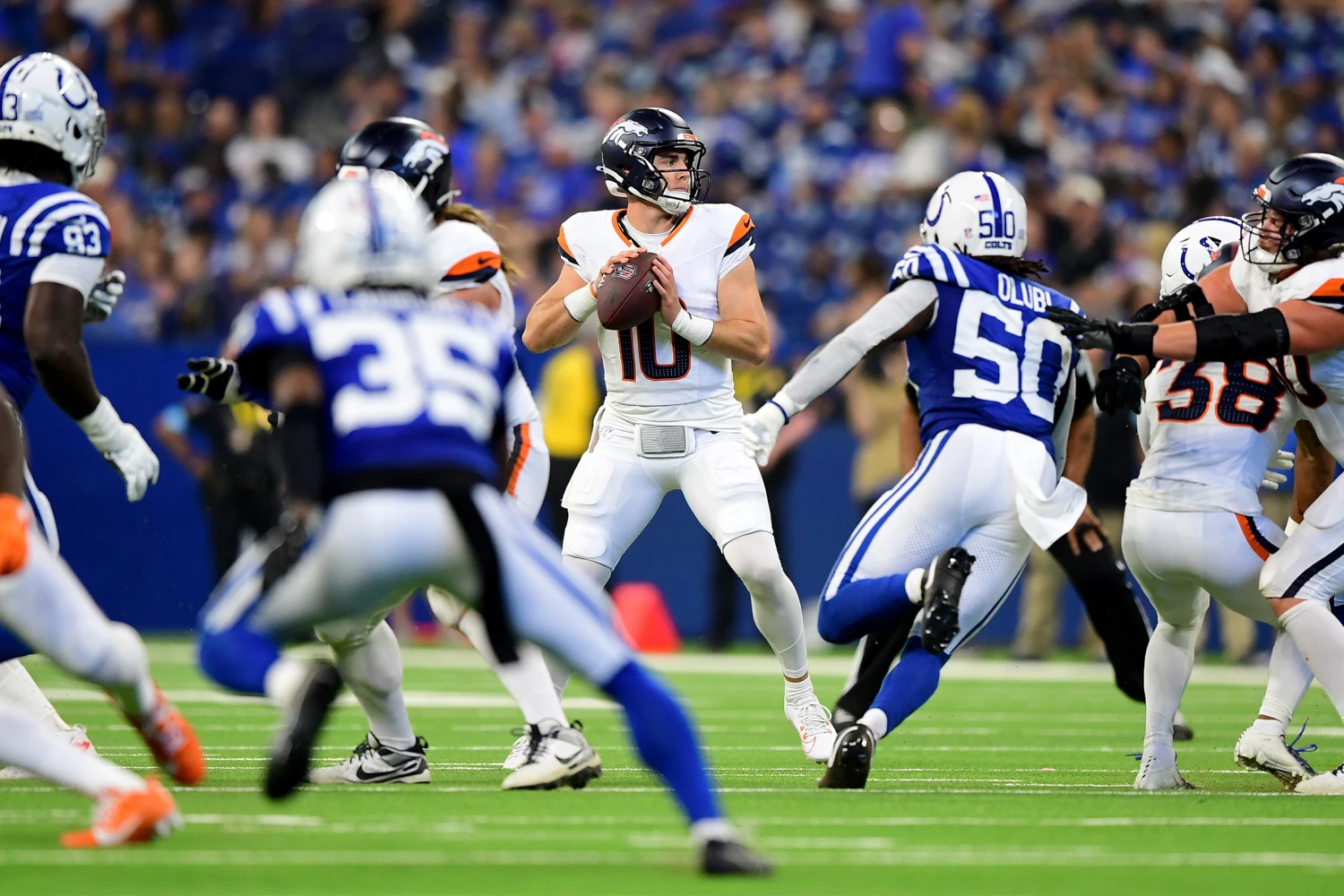
Weather can turn an NFL game on its head—and for bettors, that’s the kind of edge you don’t want to ignore. In the world of sports betting, where half a point can swing a ticket from a win to a loss, understanding how weather conditions affect games is as crucial as analyzing stats or injury reports. Let’s break down how wind, rain, and snow impact NFL betting markets and player performance.
Why Weather Matters in NFL Betting
Oddsmakers do adjust lines for weather, but the market doesn’t always react correctly—or fast enough. That leaves opportunities for bettors who understand how different conditions influence scoring, passing efficiency, and even kicker accuracy.
Also Read: How to bet on college football vs NFL: Key differences explained and strategies to follow
Wind: The Silent Game-Changer
Among all weather factors, wind is the most influential. Heavy winds above 15–20 mph can dramatically reduce passing yards and make long field goals unreliable. Quarterbacks struggle with accuracy, deep threats lose value, and kickers often see their ranges shrink.
- Betting angle: Strong winds typically drive totals under the posted number. Bettors should also consider how much a team relies on the deep passing game or special teams.
Rain: The Equalizer
Rain doesn’t always kill scoring, but it introduces uncertainty. Light showers usually don’t shift the betting market, but steady or heavy rain can change a team’s game plan. Passing attacks become riskier, turnovers rise, and defenses that thrive on aggressive play benefit.
- Betting angle: Rain can favor underdogs if they rely on the ground game and defense. Props on passing yards or receptions may also be worth fading.
Snow: The Wild Card
Snow games are a fan favorite but tricky for bettors. Contrary to the casual narrative, snow doesn’t always mean fewer points. In fact, footing issues often benefit offenses, since receivers know their routes while defenders slip. However, extreme blizzards and icy conditions can slow everything down.
- Betting angle: Don’t blindly hammer the under in snow games. Instead, assess visibility, temperature, and field conditions before making a move.
How Bettors Can Gain the Edge
- Track hourly forecasts leading up to kickoff, not just the day before.
- Watch for line movement—if the public overreacts to rain or snow, there may be value on the other side.
- Build a team profile: squads with strong run games and physical defenses typically gain an edge in messy conditions.
Also Read: NFL Advanced Betting Strategies: Using Injury Reports and Weather Conditions
Weather doesn’t just affect how a game looks—it impacts how it’s played and, most importantly, how it’s bet. Wind is the biggest factor for totals, rain can flip game plans, and snow is far less predictable than most fans think. Smart bettors don’t just check injury reports—they check the skies.
FAQs
Q1: Does snow always lower NFL scoring?
Not always. Light or moderate snow often leads to normal or even higher scoring, while extreme blizzards can slow offenses down.
Q2: Which weather condition impacts betting lines the most?
Wind. It directly affects passing efficiency, field goals, and overall scoring.
Q3: Should you bet unders in every bad-weather game?
No. While unders are common in high winds, rain and snow don’t always suppress scoring as much as bettors assume.