Kenya has banned gambling commercials on all media channels for 30 days to prevent deceptive pitches, protect youngsters, and lay the groundwork for stricter rules.
Kenyan authorities have implemented a comprehensive one-month prohibition on gambling advertising in all media, including radio, television, social media, influencers, and SMS.
Reports that exposed the extent of problem gambling in the country led to the prohibition.
The purpose of Tuesday’s 30-day advertising blackout, which will begin on April 29, is to combat the nation’s growing prevalence of deceptive promotions and unregulated advertising.
Despite the measure’s seeming extremeness, deceptive advertising is regularly prohibited elsewhere as well. For instance, early this year, the UK’s Advertising Standards Agency (ASA) prohibited an influencer commercial from PokerStars.
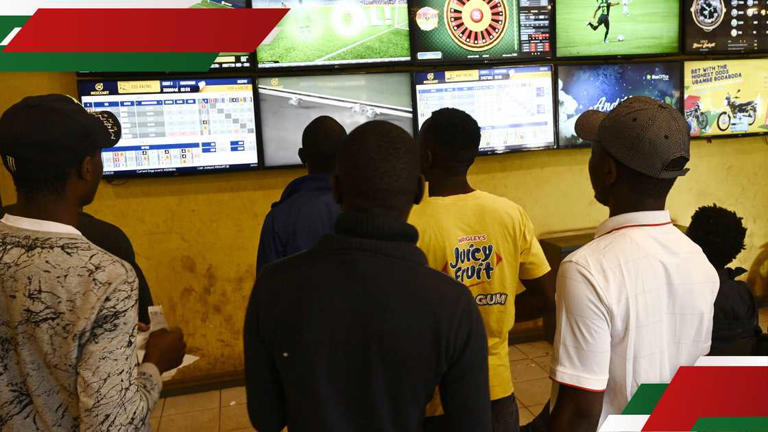
The Kenyan Betting Control and Licensing Board (BCLB) announced the prohibition in response to an excessive quantity of gambling-related advertisements aired between 5 a.m. and 10 p.m. Chairwoman Jane Mwikali Makau also mentioned the practice’s “rampant” exposure among minors and vulnerable populations in the country.
In addition to the restriction, all betting companies will be required to submit their commercial material to the Kenya Film Classification Board (KFCB) for approval. The KFCB, which is normally responsible for deciding movie ratings in the country’s cinemas, is now also in charge of adjudicating gambling marketing content before it reaches the public airways.
Kenya’s New Approach To Long-Term Reform

According to industry analysts in the nation, the advertising prohibition is only the beginning, with the BCLB actively exploring a more effective long-term approach.
The 30-day interim prohibition, claimed government sources, was meant to provide time to evaluate how betting information is presented to the general public, but the order’s violation has raised concerns.
While some media insiders think the punitive crackdown is a positive step that signals a new approach to gambling legislation in Kenya, regulators are reportedly worried about the non-compliance and have raised ethical concerns about the media.
Specifically, the sector has been rocked by the escalation to police enforcement, which goes beyond regulatory action, and broadcasters are preparing for punishment.
The industry will soon have to alter its practices and advertising policy as unrestricted gambling marketing on television appears to be coming to an end.